Exploration vs Depth in High School Activities: What Colleges Actually Look For
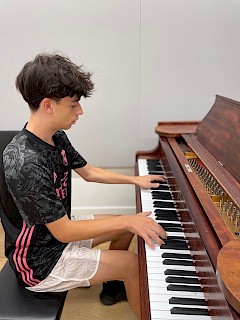
High school is often described as a time for exploration. In reality, by the time students enter high school, many of their interests and strengths have already begun to take shape. The high school years are less about starting entirely new activities and more about developing existing commitments with greater depth and consistency.
In the college admissions process, activities are not evaluated simply as a list. Admissions readers look at how a student’s interests evolve over time - how commitment deepens, skills develop, and responsibilities grow across several years of high school.
Understanding the difference between exploration and depth helps families make more thoughtful decisions about how students spend their time during these important years.
Exploration Happens Earlier
Exploration plays an important role during childhood and middle school. Students often try different sports, artistic activities, and academic interests while discovering what motivates them.
By the time students reach high school, admissions readers are not expecting entirely new interests to appear each year. Instead, they look for continuity and development in the interests that have already begun to take shape.
High school becomes the stage where those interests are strengthened and refined.
What Colleges Actually Look For in High School Activities
When reviewing college applications, admissions officers look for patterns that show sustained commitment and meaningful development.
Depth in activities often appears through:
-
participation sustained over several years
-
increasing levels of responsibility or leadership
-
progression to more advanced levels of skill or performance
-
contributions that extend beyond personal participation
Activities that demonstrate progression over time often provide stronger context than those that appear briefly without clear development.
The Misunderstanding About “Exploration”
Many families assume students should add numerous new activities during high school in order to appear well-rounded.
In practice, applications listing many short-term activities often appear less convincing than those showing sustained commitment to a smaller number of meaningful pursuits.
Admissions readers look not only for variety, but for evidence of dedication, growth, and long-term engagement.
How Depth Becomes Visible
For students involved in demanding activities such as athletics or music, depth often becomes visible through the structure of the activity itself.
This may include:
-
consistent training or practice over time
-
participation in competitions or performances
-
advancement to higher levels of competition or repertoire
-
leadership or mentorship roles within the activity
These experiences provide a clear record of sustained effort and development.
High School as a Presentation Window
College applications reflect several years of preparation and development. The high school years function less as a period of experimentation and more as the window where students demonstrate the depth of their commitments and the growth that has taken place over time.
When families understand how admissions evaluates activities, they can focus less on adding activities and more on building meaningful depth in the pursuits that matter most.
Key Takeaways
-
Exploration plays an important role earlier in a student’s development.
-
During high school, admissions readers look for depth and sustained commitment.
-
Activities that show progression over several years provide stronger context than short-term participation.
-
A smaller number of meaningful commitments is often more compelling than a long list of unrelated activities.
-
High school becomes the stage where students demonstrate growth, dedication, and impact.
Every Student's Path Is Different
Thoughtful planning helps students make the most of their high school years. If you're looking for a personalized approach to college planning, we'd love to learn more about your family's goals.
Schedule an Introductory Call With Us